
Consider the Fig

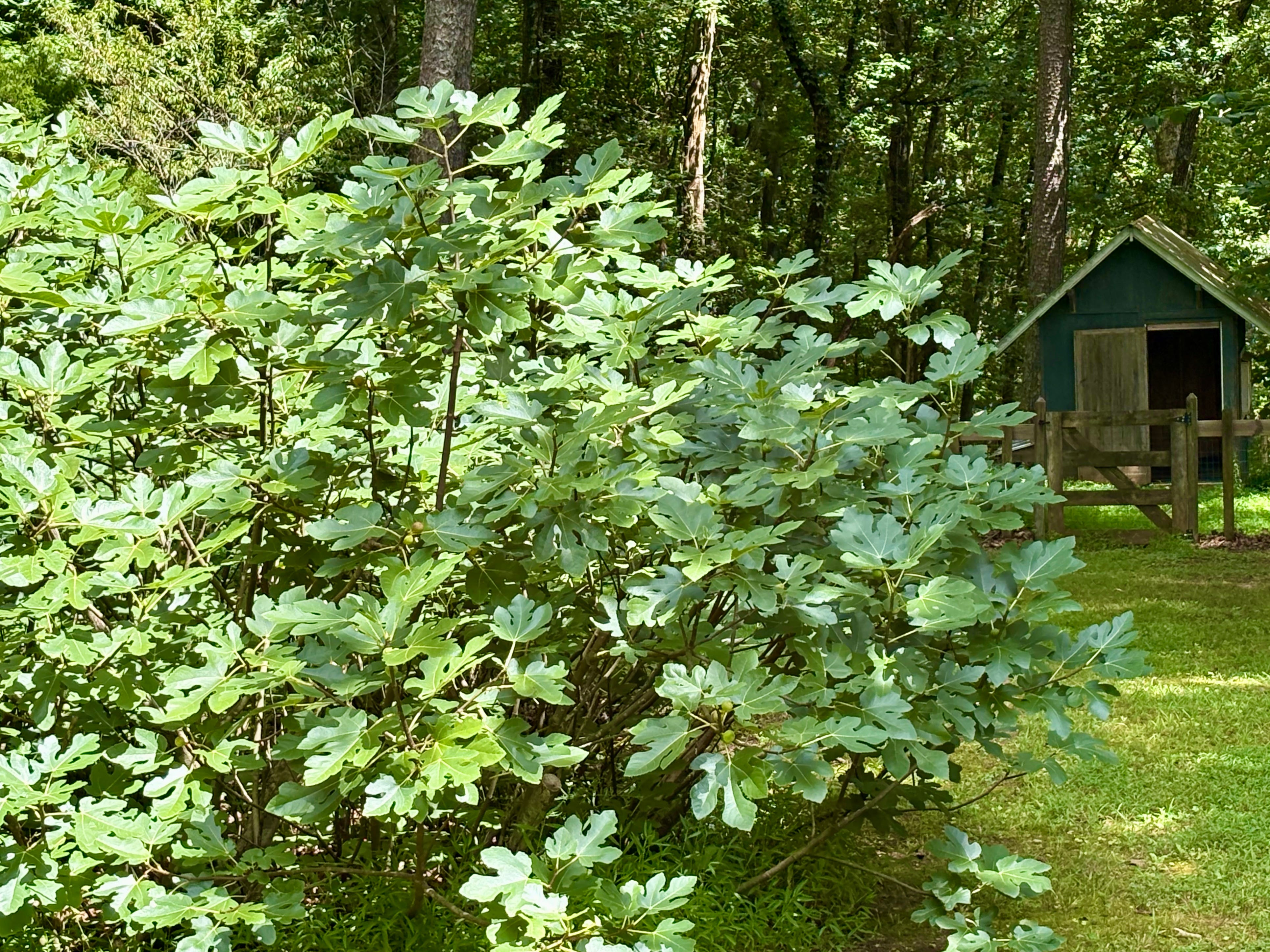
A famous parable in the Gospel According to Luke features a fig tree growing in a vineyard, whose owner orders its execution after being disappointed for the last time. “See here!” he says to his vinedresser. “For three years I have come looking for fruit on this fig tree, and still I find none. Cut it down! Why should it be wasting the soil?”[i]
In most of the parables Jesus told, owners of vineyards and heads of households sound a lot like God, but in this one, a vinedresser saves the day. “Sir,” he says to the owner of the tree, “let it alone for one more year, until I dig around it and put manure on it. If it bears fruit next year, well and good, but if not, you can cut it down.” In traditional interpretations of the story, this is the voice of God: merciful and patient, forever finding reasons to give unproductive humans a little more time to do better.
In order to nod your head at this, you have to overlook a couple of details. The first is that the best the vinedresser can do is buy the tree one more year before the owner calls for the hatchet. The second is that even he (the merciful one) seems to agree that producing figs is the least the tree can do to earn its soil and stay alive.
Since I have a fruitless fig tree in my yard, I thought I’d ask it what else the parable might mean. In my view, Jesus did not tell parables so everyone who heard them would nod their heads. He did it to stir his listeners up and get them talking to each other about what, exactly, he wanted them to do. Pay the laborers who show up an hour before quitting time the same as those who have been working all day? Refuse to share your extra oil with those whose lamps have gone out because they didn’t think ahead as well as you did? These stories bear some discussion.
My fig tree is huge. It has been growing down the hill from my house for thirty years now, looking like a bunch of tent poles in the winter and unfurling sails of emerald leaves every spring, each of them bigger than my hand. I can’t help growing excited when the first little fists of figs appear in summertime every year. Fig tarts, I think. Figs wrapped in prosciutto. Figs opened up like pink lotus blossoms, doused with balsamic vinegar on fresh arugula.
By late August, my imagination has gone to ground. All of the green figs have stopped growing and fallen off the tree; I know not why. It’s a common fig, so pollination isn’t the problem. I haven’t overwhelmed it with fertilizer, so nitrogen isn’t the problem. We haven’t had much rain, but the leaves look lush. Why not the figs? No figs for thirty years.
When I asked the fig tree for its take on the parable, it said, “By what standard do you judge my productivity?”
“Well,” I said, “ripe figs?”
“What, for you, you mean? So you can gather more than you need and put them in the garage refrigerator where you only remember them after they have turned to slime? What about the wild birds who feed on the green fruit before it falls? They aren’t as picky as you are about color and sweetness. They’re just trying to make it through the day. What about the guinea hens who take shelter under me when a hawk shrieks overhead? You started out with a flock of twelve, and you only have five left now. Also, in case you hadn’t noticed, your very fat cat Theo likes to nap under me when you’re weeding nearby. And does beauty count for nothing? Even you think I’m beautiful, and I’m twice as tall as you.”
“I hadn’t thought about any of that,” I said, feeling less than half the fig tree’s size. I felt like Job after God turned on him for complaining about injustice, silencing him by asking a bunch of shut-your-mouth questions about all the other creatures in the universe.
In the end, it was the perfect contribution to the parable’s long history of interpretation, this time from a relative of the only voiceless character in the story, the one with the most to lose. By what standards do we judge the productivity of other creatures—or of ourselves, for that matter? What does it mean to waste your soil? Do any of us do that all by ourselves, or are we part of a living web that has everything to do with how many figs we are able to put in someone else’s tart? And what about those who don’t have a vinedresser to defend them? Is this a parable about godly intervention or a recruitment call for more human spreaders of manure? Just one more year.
Earlier in the Book of Job, before God started talking back to him, Job mused out loud about where wisdom was to be found. “Ask the animals,” he said, “and they will teach you, the birds of the air, and they will tell you; ask the plants of the earth, and they will teach you, and the fish of the sea will declare to you.”[ii]
That’s why I asked the fig tree and am still thinking about what I learned.
[i] Luke 13:6-9 NRSVUE
[ii] Job 12:7-8
I feel like an unproductive fig tree this year. I know my presence is still valuable, but I can't seem to get anything productive done beyond the basics. Maybe it's okay and right and true that my role right now is to have a steady place for my kids, be a cooling presence for my stressed and grieving husband whose father is in hospice care. Maybe my lack of above and beyond productivity is not the point right now. This has brought a beautiful perspective to my present and I thank you.
Oh but Miss Barbara- you may have not seen a product so delicious from the fig tree. Its leaves! They can be boiled in water with sugar to make a syrup delicious over ice cream, in ice cream, with prosecco or more potent to flavor vodka. The fig tree gives back to the soil as well. Enjoy, and thank you for reminding me of the wonders of the parable